
EV Charger Installation
EV CHARGER INSTALLATION IN ATLANTA, GA
Level 2 charging on 240 volts adds about 180 miles of range across an 8-hour overnight charge, against only 4 to 5 miles per hour from a 120 volt outlet, and code treats it as a continuous load on a dedicated circuit. 5 Star Electrical LLC installs hardwired units and NEMA 14-50 receptacles for homes and workplaces across Atlanta, Georgia.
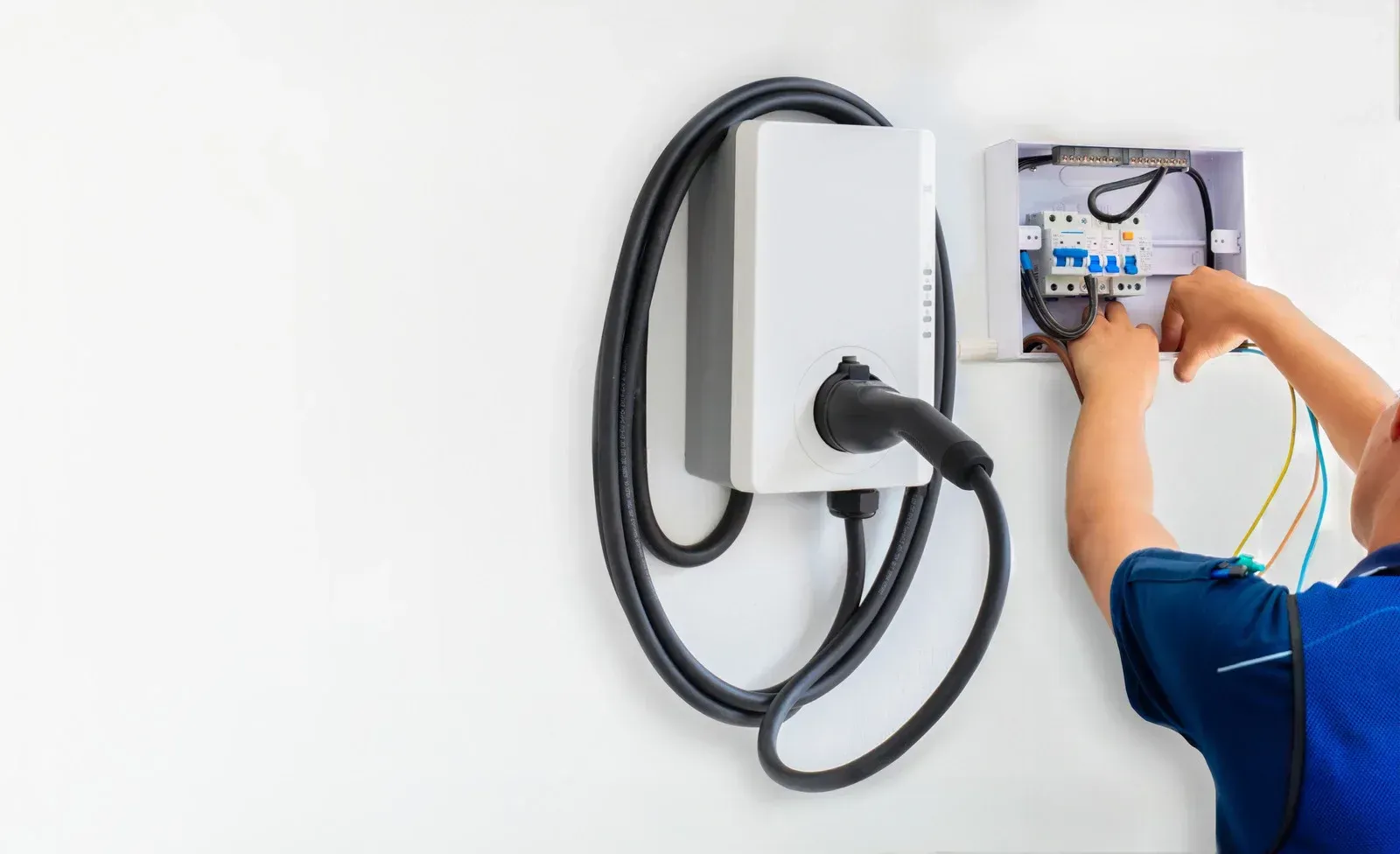
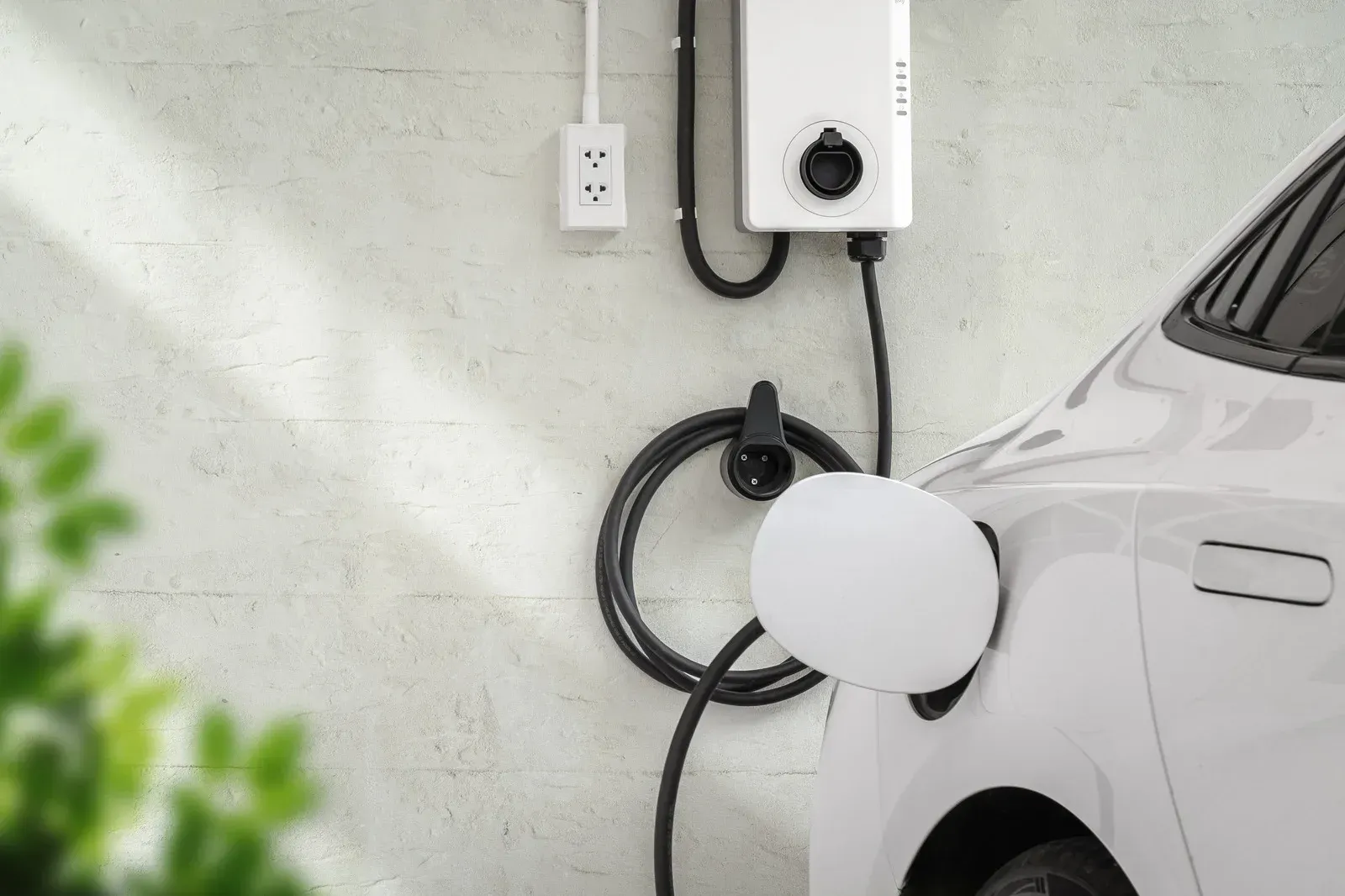
YOUR CAR PLUGS IN. THE HOUSE SHOULD BE READY.
Charging at home changes the ownership experience more than most people expect. No detours, no queueing, no app roulette. The car simply starts every morning full. Getting there is a straightforward electrical job as long as somebody checks the panel honestly first, because a charger added to a service with no headroom is a problem rather than a convenience.
We would rather tell you the panel needs attention before installing than install and let you discover it the first time the oven, the dryer, and the car are all running together.
✓ Panel capacity verified before anything is quoted
✓ Dedicated circuit sized at 125% of continuous load
✓ Permit filed and inspection scheduled for you
✓ Georgia Power rebate paperwork supported
EV CHARGER INSTALLATION
CHARGING AT HOME CHANGES HOW YOU OWN THE CAR.
The difference between public charging and a charger on your own wall is the difference between planning your week around electricity and never thinking about it. A 40-amp unit on a 50-amp circuit returns 20 to 30 miles of range per hour, which covers almost any commute overnight on a cheap tariff. The install is usually a few hours. The change in habit is permanent.
GEORGIA POWER WILL HELP PAY FOR YOUR CHARGER.
The residential rebate returns $150 per qualifying Level 2 charger, with up to 2 per account over its lifetime. The unit has to be new, customer-purchased, wall-mounted or pedestal-mounted, running at 208 or 240 volts, and sitting on a dedicated circuit. Mobile chargers do not qualify. Applications go in within 6 months of installation, and permits and code compliance are conditions of the program.
CHARGERS CHANGED FAST. SO DID WE.
5 years ago most installs were a receptacle and a cord. Now they are hardwired units with load management, wifi commissioning, and firmware that matters. Circuit sizing rules tightened, GFCI requirements shifted between code editions, and the units themselves grew from 32 amps to 48. Keeping current with that is part of the job, not a bonus, and it is why our installs still pass inspection on the first visit.
WHAT A PROPER CHARGER INSTALL GIVES YOU
A FULL BATTERY EVERY MORNING
Overnight charging on a Level 2 circuit covers almost any daily driving pattern, which removes public charging from your routine except on genuinely long journeys.
CHEAPER MILES THAN PUBLIC CHARGING
Home electricity on an overnight tariff costs a fraction of rapid charging, and the saving compounds every week you own the car. That gap is not closing.
EQUIPMENT PROTECTED PROPERLY
A dedicated circuit sized at 125% with the correct disconnect and GFCI arrangement protects both the vehicle and the house from the one load that runs hardest for longest.
REBATE MONEY CLAIMED CORRECTLY
Meeting the program conditions on equipment type, mounting, circuit, permits, and filing deadline is the difference between a rebate paid and an application quietly rejected.
A HOME THAT APPEALS TO BUYERS
Charging capability is increasingly on buyer checklists. A permitted, inspected installation is a feature rather than something a home inspector questions. The paperwork makes that difference.
ROOM FOR A SECOND CAR
Sizing the circuit and the panel space for two vehicles at the outset makes the second charger a straightforward addition rather than a repeat of the whole project.
Insert Title

Insert Title
Lorem ipsum dolor sit amet, consectetur adipiscing elit. Sed do eiusmod tempor incididunt ut labore et dolore magna aliqua. Ut enim ad minim veniam, quis nostrud exercitation ullamco laboris nisi ut aliquip ex ea commodo consequat.
WHAT WE INSTALL
OUR EV CHARGER WORK
Charger projects range from a garage receptacle to a bank of units in a commercial lot. These are the scopes our electricians cover for homes and businesses around Metro Atlanta. Every one starts with the panel.
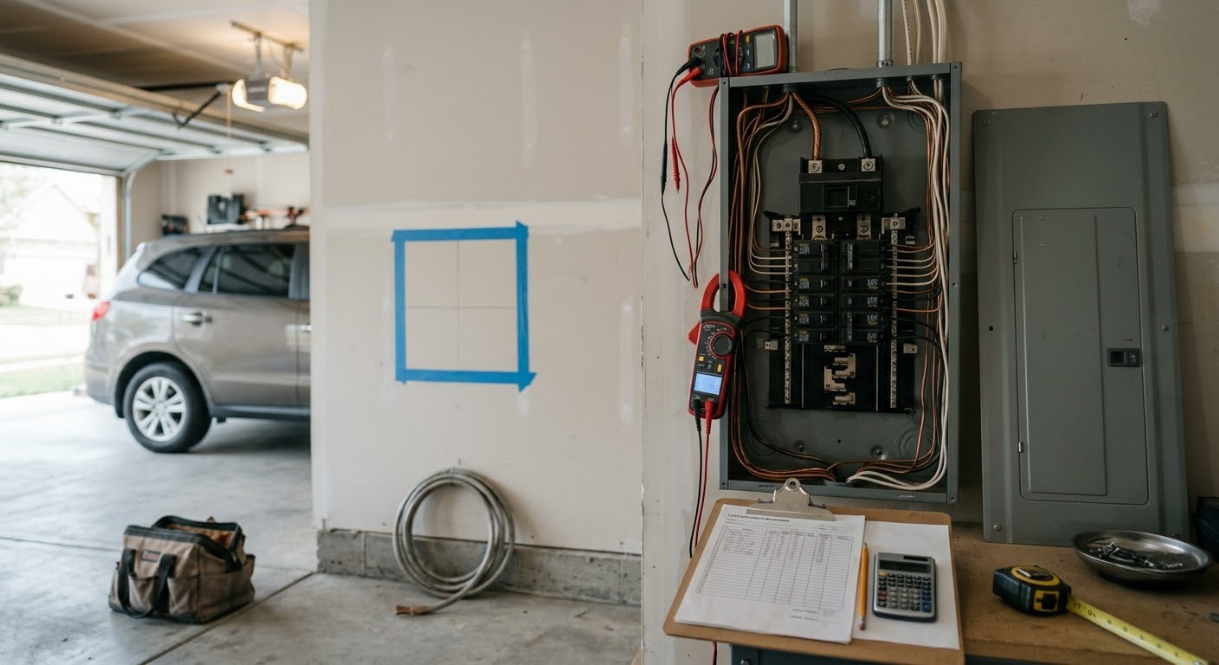
FIRST QUESTION
Panel Capacity Assessment
Calculating the existing household load against the charger's continuous draw to determine whether the service supports it directly, needs load management, or needs upgrading before anything is mounted on the wall.
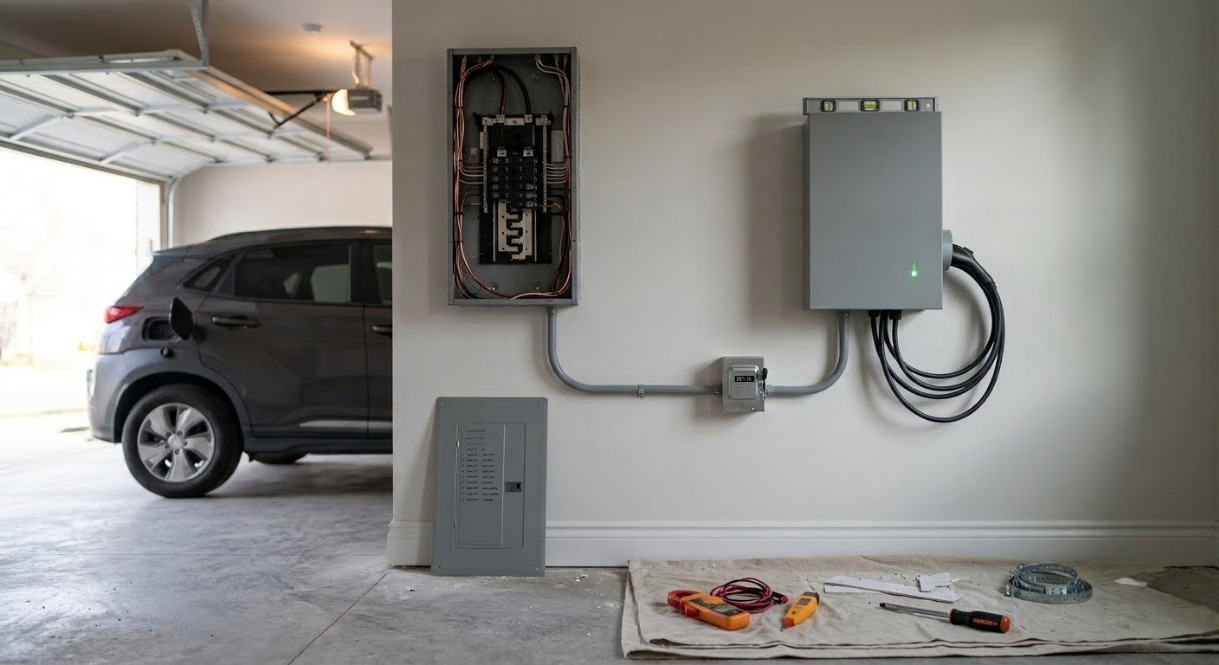
HARDWIRED
Level 2 Charger Installation
Mounting and hardwiring 40 or 48-amp units with the disconnect and overcurrent protection the code requires, commissioned and tested rather than energized and left for you to configure yourself.
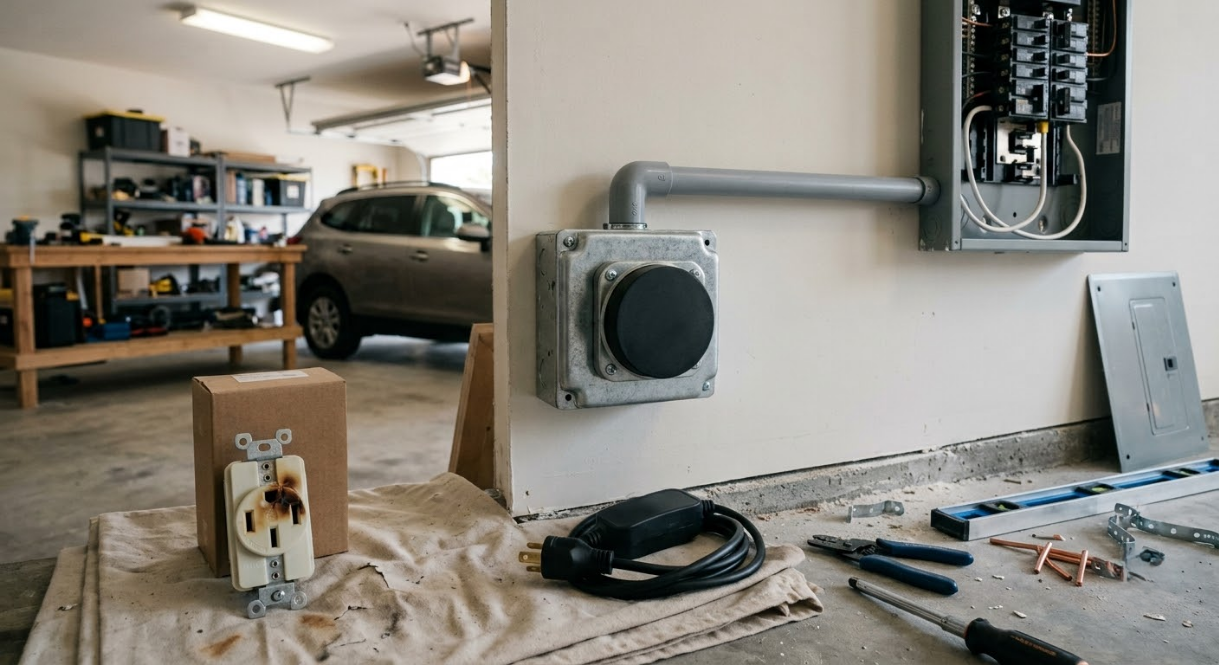
PLUG IN
NEMA 14-50 Receptacle Installation
Installing a properly rated receptacle on a dedicated GFCI protected circuit for portable and plug-in units, using industrial grade devices rather than the cheap ones that fail under sustained load.
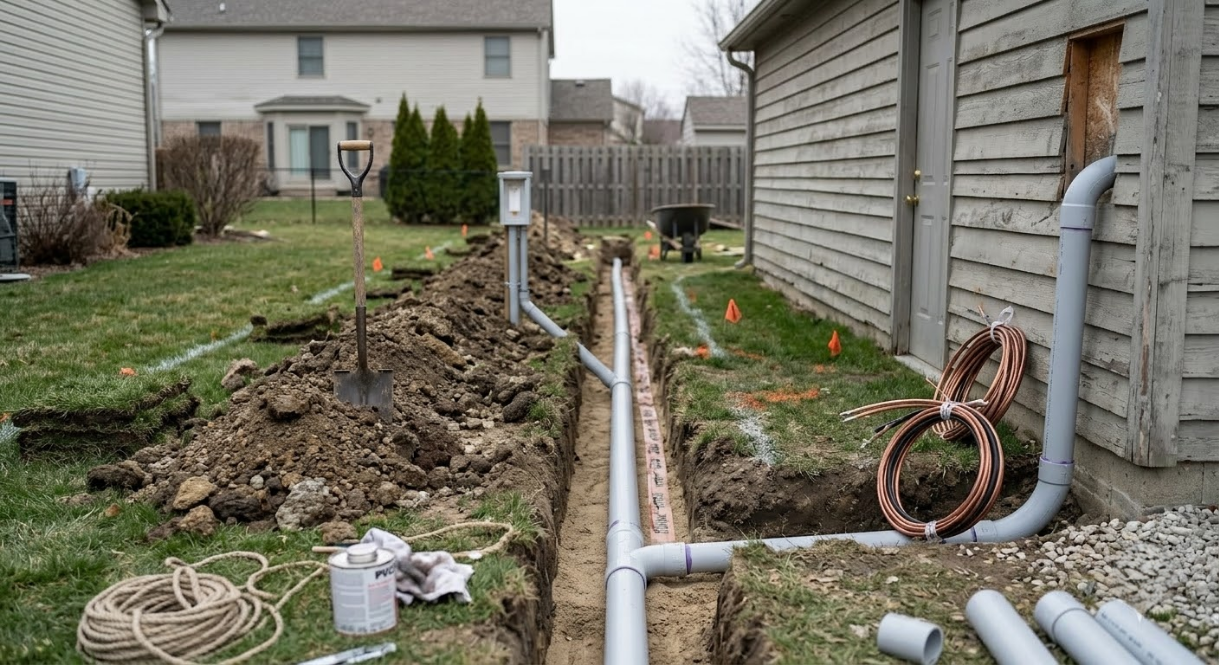
LONG RUNS
Detached Garage and Driveway Circuits
Trenching, conduit, and feeders out to detached garages, carports, and driveway posts, sized for the voltage drop that a long run introduces before the charger ever sees the power at all.
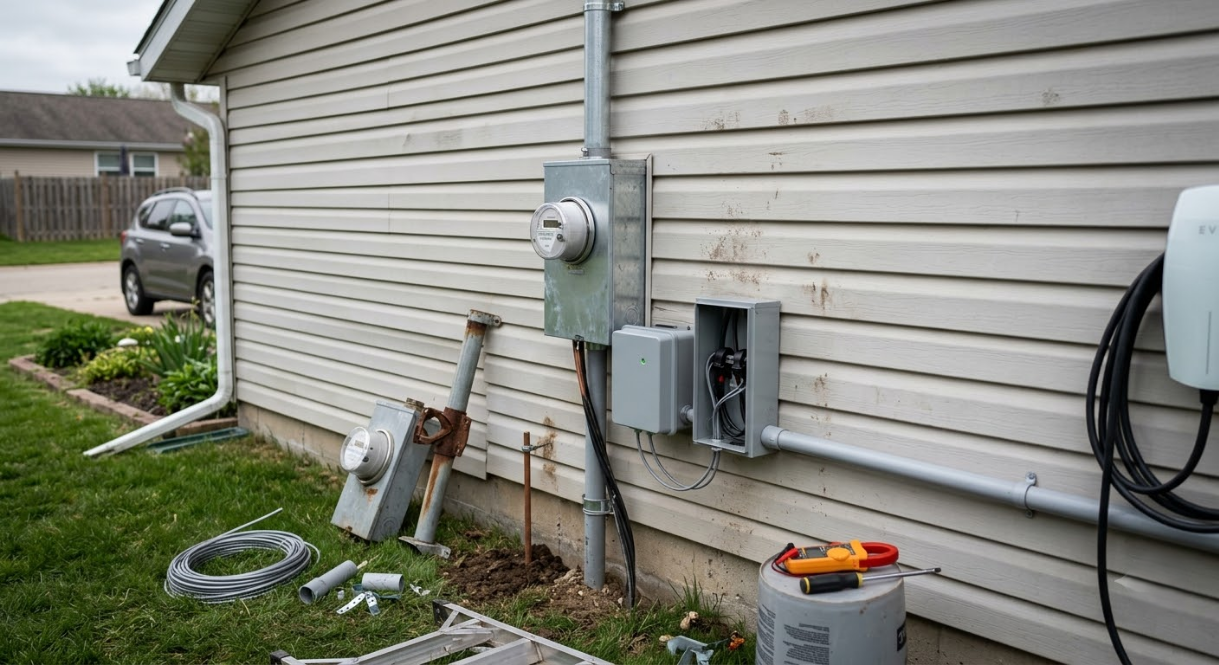
MAKING ROOM
Service Upgrades for Charging
Where the panel genuinely cannot carry the load, upgrading the service or adding load management hardware so the charger and the household can share capacity without nuisance tripping. Load management is often cheaper.
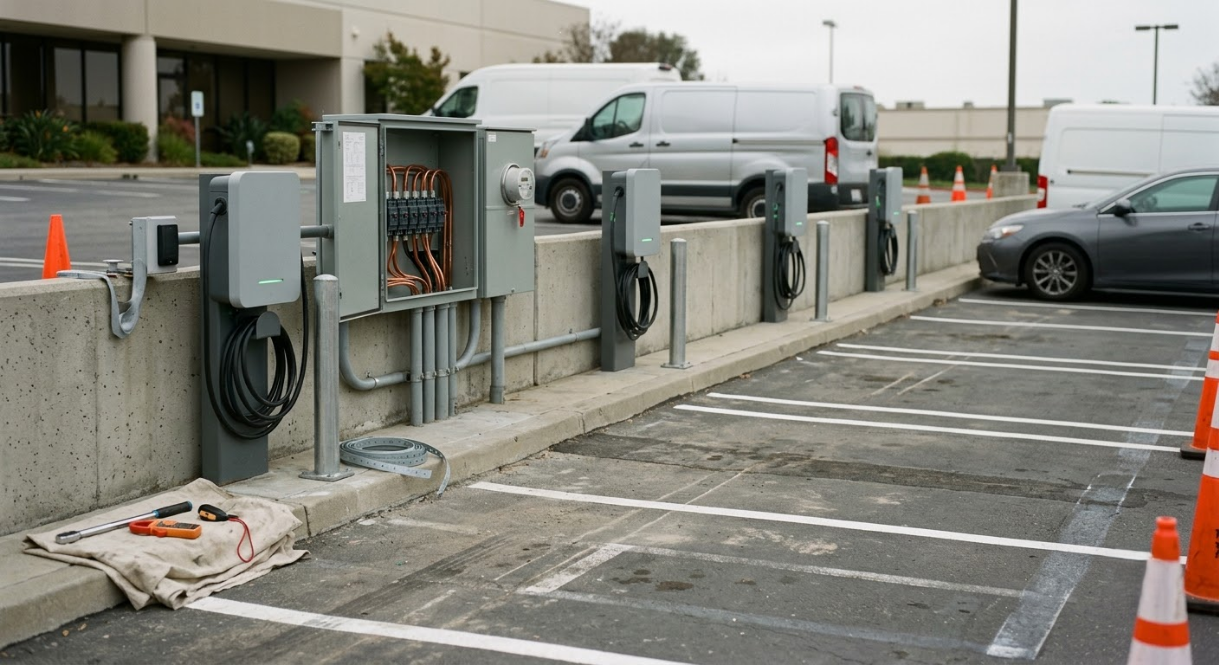
FLEET AND WORKPLACE
Commercial Charging Installations
Multiple units for staff parking, customer bays, or fleet depots, with the distribution, metering, and access control that a shared installation needs to work fairly for everybody using it.
THE WORD ON OUR WORK
WHAT OUR CLIENTS SAY.
Most charger customers tell us the same thing afterward: they wish they had done it when the car arrived rather than a year later. Read what Georgia drivers have said about the install, the inspection, and how the rebate paperwork went.
Common Questions
FREQUENTLY ASKED QUESTIONS.
Charger questions divide neatly into what the car needs and what the house can give. Here is what drivers ask us before booking an installation date.
How long does a home EV charger installation take?
A few hours where the panel has capacity and the run is short. Longer where a trench, a long conduit route, load management hardware, or a service upgrade is involved. The site assessment tells us which it is.
Do I need a permit to install an EV charger at home?
Yes, across Metro Atlanta jurisdictions, and Georgia Power's rebate program requires code compliance and permits as a condition. 5 Star Electrical LLC files the application and schedules inspection for installations throughout Atlanta, GA and the wider metro area.
Will my panel need upgrading for a charger?
Sometimes, but less often than people fear. A load calculation answers it properly, and where capacity is tight, load management hardware that pauses charging during peak household demand is frequently a simpler and cheaper solution than upgrading the service.
What is the difference between a hardwired charger and a NEMA 14-50 receptacle?
Hardwiring allows higher amperage, avoids a plug connection that heats up over time, and is required above 60 amps. A receptacle lets you take the unit with you and simplifies replacement later on. Both need their own circuit.
Does an EV charger need its own dedicated circuit?
Yes. Code requires each charging outlet to be supplied by an individual branch circuit with no other outlets on it, and to be sized at 125% of the maximum load it will draw. There is no compliant shared arrangement.
Can an EV charger be mounted outside?
Yes, provided the unit is rated for outdoor use and mounted with proper weather sealing at the wall penetration. Most Level 2 chargers are built for it, and driveway posts are a common solution here. Cable length limits still apply.
How fast will a Level 2 charger actually charge my car?
Around 18 to 25 miles per hour at 32 amps, 20 to 30 at 40 amps, and 25 to 35 at 48. 5 Star Electrical LLC matches the circuit to your vehicle's onboard charger across Atlanta, GA rather than overselling.
Can I install a Level 2 charger myself?
It is a permitted, inspected circuit at 240 volts carrying a continuous load, with specific GFCI and disconnect requirements. Doing it without a permit also disqualifies the utility rebate and complicates any future insurance claim. We would not recommend it.
HOW WE WORK
FROM DELIVERY DAY TO PLUGGED IN, HERE IS HOW.
STEP 01
Site Assessment
We look at the panel, calculate the household load, measure the run to where you want the charger, and check what the vehicle's onboard charger can actually accept. Oversizing the circuit helps nobody.
STEP 02
Choosing Equipment and Position
Hardwired or receptacle, indoors or out, 40 amps or 48, and exactly where the unit sits so the cable reaches the port without stretching across a walkway. Park the car and we will check.
STEP 03
Quote, Permit, and Rebate Paperwork
You get a written quote with no allowances hiding in it. Our office files the electrical permit and prepares the rebate documentation so the claim is not left as an afterthought. Deadlines apply to it.
STEP 04
Installation Day
The circuit is run, the unit is mounted, terminations are torqued to specification, and the disconnect goes in where the code and your layout both want it to be. Most homes are done in an afternoon.
STEP 05
Commissioning and Testing
We energize, configure the amperage setting to match the circuit, connect the unit to your network if it has one, and charge the car to confirm everything behaves properly. You watch it happen.
STEP 06
Inspection and Rebate Filing
The inspection happens, the permit closes, and the rebate application goes in with the evidence attached. You end up with a working charger and a complete file behind it. Both matter at resale.
Get Your Free Estimate
BOOK YOUR CHARGER SITE ASSESSMENT, FREE.
Tell us the car, the parking spot, and where the panel lives, and we will confirm what your service supports before quoting anything. Rebate paperwork is included in the job. Start on our contact page.
WHAT YOUR SITE ASSESSMENT COVERS:
✓ Household load calculated against the charger draw
✓ Hardwired versus receptacle options explained
✓ Cable route and mounting position agreed
✓ Load management alternatives where capacity is tight
✓ Permit and inspection included in the quote
✓ Georgia Power rebate eligibility confirmed