
Outlet & Switch Installation
OUTLET & SWITCH INSTALLATION IN ATLANTA, GA
The code's 6-foot rule means no point along the floor line of a wall space 2 feet or wider may sit more than 6 feet from a receptacle, which is why older rooms feel short of outlets. New devices must also be tamper-resistant. Extending a circuit triggers arc-fault protection. 5 Star Electrical LLC adds outlets and switches across Atlanta, Georgia.


FLUSH PLATES, TIGHT CONNECTIONS, NO GUESSWORK.
Device work is the most visible electrical work in a house, which is why sloppy versions of it are so obvious. A plate that sits proud of the wall, a switch that is not plumb, a receptacle that has been painted around. We take the extra minute on each one because you will look at them every day for years.
Behind the plate the same principle applies: screw terminals rather than backstab holes, correct box fill, and connections that will still be tight long after we have forgotten the address entirely.
✓ Screw terminations rather than backstab connections
✓ Tamper-resistant devices as current code requires
✓ AFCI protection added where a circuit is extended
✓ Plates left flush, level, and clean
OUTLET & SWITCH INSTALLATION
THE OUTLET IS THE PART EVERYONE TOUCHES.
Nobody interacts with a panel or a feeder. They interact with the switch by the door and the receptacle behind the sofa, dozens of times a day, for as long as they live there. That makes device work quietly important: a loose receptacle heats up, a switch without a neutral rules out half the smart products on the market, and a missing outlet turns into an extension cord under a rug.
FIVE COUNTIES, FIVE PERMIT DESKS, ONE STANDARD.
Adding circuits around Metro Atlanta means dealing with the City of Atlanta and Fulton, DeKalb, Cobb, and Gwinnett counties, each with its own portal, its own turnaround, and its own preferences about documentation. Small device work often falls below the permit threshold, but new circuits do not. We know where that line sits in each jurisdiction and file accordingly rather than guessing on your behalf.
A DEVICE SWAP IS ONLY SIMPLE IF THE BOX IS RIGHT.
Half the device calls we take start as a straightforward replacement and turn into something else once the plate comes off. A box packed past its fill limit. No ground conductor. Aluminum branch wiring on a screw terminal never rated for it. Backstab connections that have been arcing quietly for 10 years. Recognizing those in the first minute, and knowing exactly what the code allows next, is what stops a swap becoming a problem.
WHAT PROPER DEVICE WORK DELIVERS
POWER WHERE YOU ACTUALLY NEED IT
Receptacles placed for how the room is furnished rather than how it was framed means lamps, chargers, and appliances plug in without a cord crossing a walkway.
SHOCK PROTECTION WHERE WATER LIVES
GFCI protection in kitchens, bathrooms, laundries, garages, and outdoors interrupts a fault in milliseconds, which is the difference between a surprise and a serious injury.
SAFETY FOR SMALL HANDS
Tamper-resistant receptacles have internal shutters that stay closed unless both slots are engaged together, which stops the single most predictable household accident involving small children.
SMART CONTROLS THAT WORK
Adding the neutral an older switch box lacks opens up dimmers, timers, and connected switching, instead of discovering the limitation after the box is already open on the counter.
A LEGAL FIX FOR TWO-PRONG OUTLETS
Ungrounded receptacles corrected properly with GFCI protection and the required labeling give you a usable three-prong outlet without pretending a ground exists where none does.
FEWER FUTURE CALLBACKS
Screw terminations, correct box fill, and devices rated for the load they carry mean the connection behind the plate stays tight instead of becoming next year's repair.
Insert Title

Insert Title
Lorem ipsum dolor sit amet, consectetur adipiscing elit. Sed do eiusmod tempor incididunt ut labore et dolore magna aliqua. Ut enim ad minim veniam, quis nostrud exercitation ullamco laboris nisi ut aliquip ex ea commodo consequat.
WHAT WE INSTALL
OUR OUTLET AND SWITCH WORK
Device work sounds small until the box is opened. These are the scopes our electricians handle around Metro Atlanta, from adding a single receptacle to bringing a whole room's devices up to standard.
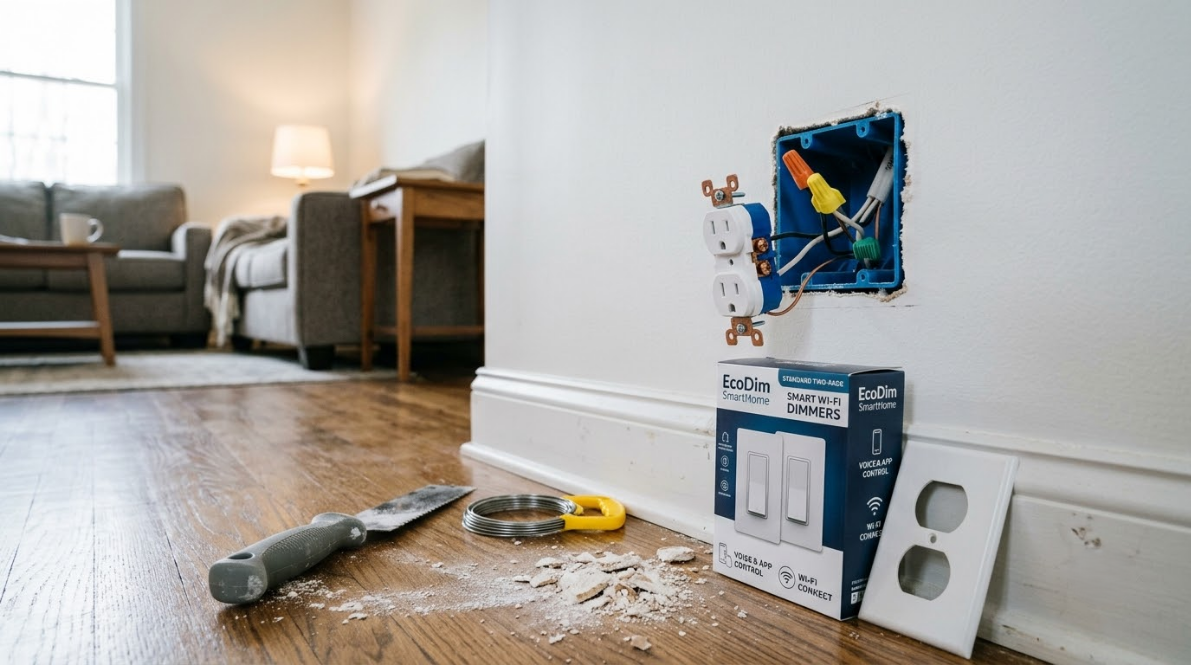
MORE OUTLETS
New Receptacle Installation
Extending an existing circuit or running a new one to put power where the furniture plan needs it, with arc-fault protection added wherever the code requires it on a modified circuit.
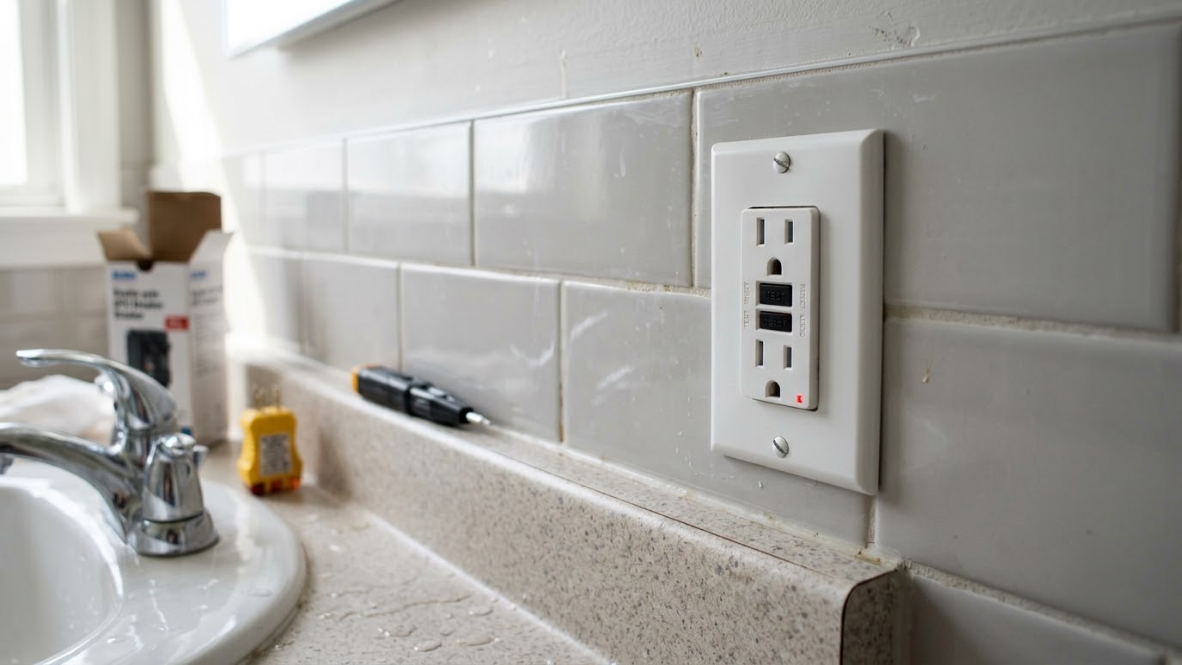
WATER NEARBY
GFCI Outlet Installation
Fitting protection in kitchens, bathrooms, laundry areas, garages, basements, and outdoor locations, either as devices at the outlet or as breakers covering the whole circuit from the panel itself.
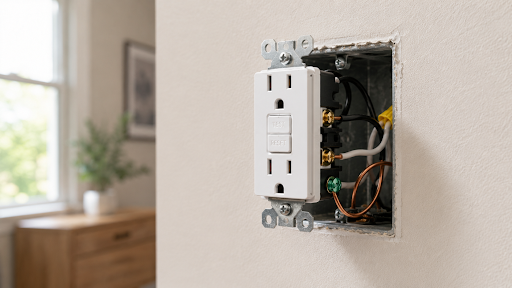
NO GROUND
Two-Prong Outlet Correction
Replacing ungrounded receptacles by one of the three routes the code permits, including GFCI protection with the required no equipment ground labeling, or running a proper ground where it is practical.
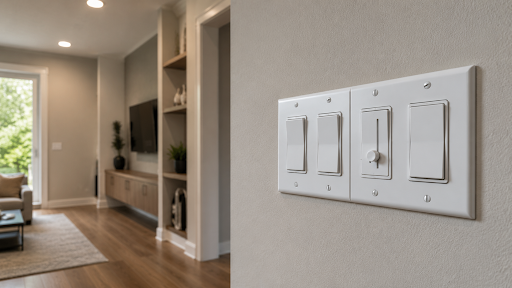
LIGHT CONTROL
Switch, Dimmer, and Three-Way Installation
Adding or relocating switches, wiring three-way and four-way arrangements so a room can be controlled from every door, and installing dimmers matched to the fixtures they will actually run.
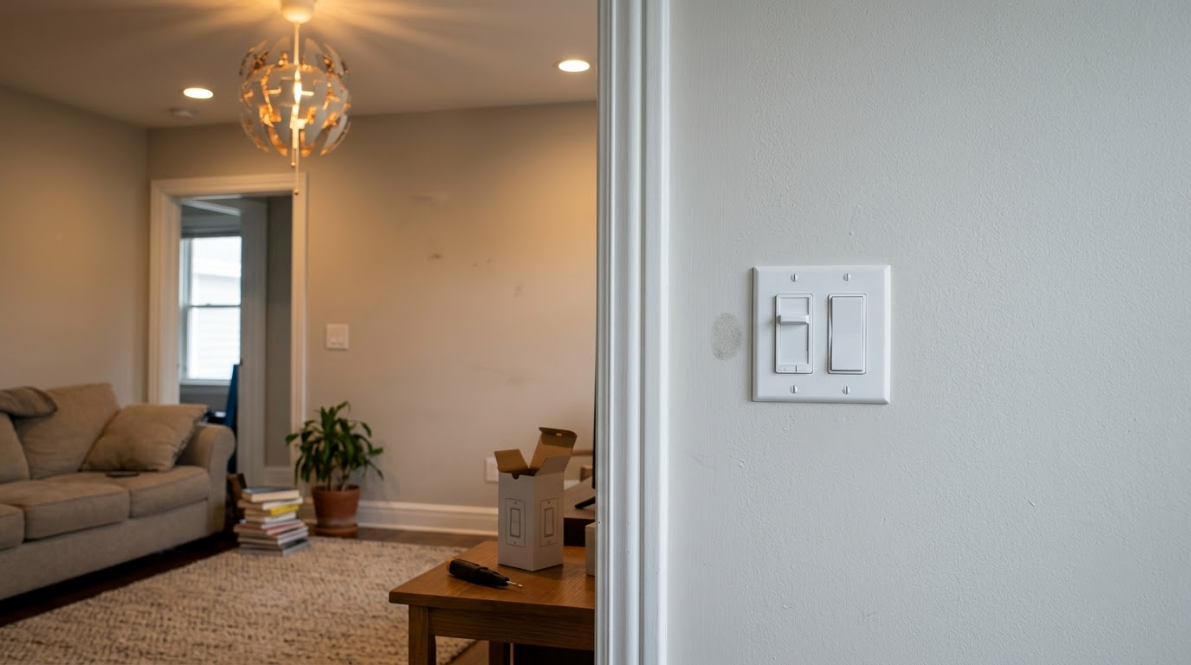
CONNECTED HOMES
Smart Switch and Neutral Installation
Running the neutral conductor an older switch box lacks, then fitting connected switches and sensors that actually function rather than sitting in a drawer as a returned purchase instead.
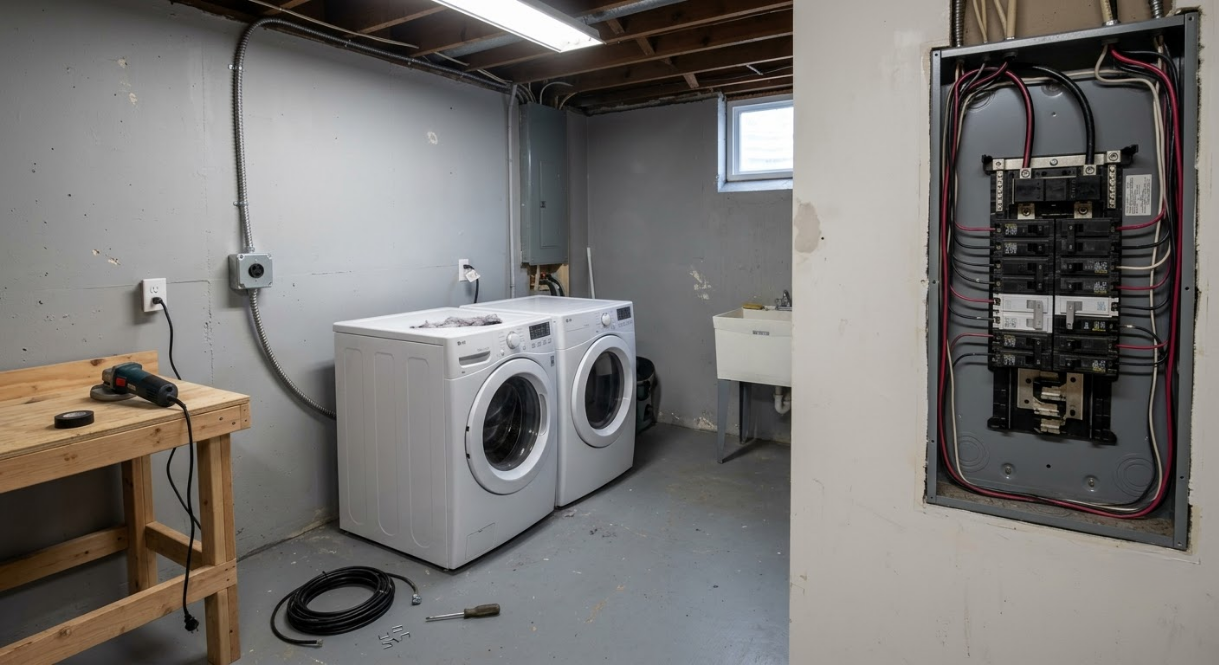
HEAVY DUTY
Dedicated and Appliance Circuits
Running individual circuits for ranges, dryers, window units, workshop tools, and anything else that deserves its own breaker rather than sharing capacity with the lighting in that room. Nuisance trips end here.
THE WORD ON OUR WORK
WHAT OUR CLIENTS SAY.
Device calls are usually short, which is exactly why people notice whether the work was tidy and the plate sits flat. Read what homeowners around Georgia have said about the outlets, switches, and small jobs we have finished for them.
Common Questions
FREQUENTLY ASKED QUESTIONS.
Device questions look simple and often are not, because the answer depends on what is inside the box. Here is what homeowners ask us most often about them.
Can I add an outlet to an existing circuit?
Usually, if the circuit has capacity and the boxes have room. Extending a circuit triggers arc-fault protection under current code unless the extension is 6 feet or less with no new outlets added. Box fill is the other limit.
How many outlets can be on a 20-amp circuit?
In a dwelling the code sets no numeric limit, because household use is intermittent. The practical limit is what actually runs at once, which is why kitchens and workshops get dedicated circuits instead. Commercial rules are different here.
How far apart do outlets have to be?
No point along the floor line of a wall space 2 feet or wider may be more than 6 feet from a receptacle, so a lamp cord of standard length always reaches one. Countertop spacing rules are tighter still.
Where are GFCI outlets required in a house?
Kitchens, bathrooms, laundry areas, garages, unfinished basements, outdoors, and anywhere within 6 feet of a sink. The 2023 code widened this considerably. 5 Star Electrical LLC brings homes across Atlanta, GA up to that standard during any device work.
What is the difference between a 15 amp and a 20 amp receptacle?
A 20-amp device has a T-shaped neutral slot and belongs on a 20-amp circuit wired with 12-gauge conductors. Fitting one on a 15-amp circuit invites somebody to plug in far more current than the wiring can safely carry.
Do I need a neutral wire to install a smart switch?
Most smart switches require one, because they draw a small standby current continuously. Older boxes often have only a switch loop. 5 Star Electrical LLC runs the neutral where it is missing for customers across Atlanta, GA every week.
Do outlets in a house have to be tamper-resistant?
New and replacement 15 and 20 amp receptacles in dwellings, garages, and accessory buildings must be, with limited exceptions such as those mounted more than 5 and a half feet above the floor. The shutters are the point.
How does a three-way switch work?
Two switches control one light through a pair of traveler conductors, so either position can turn it on or off regardless of what the other one did last. Adding a third requires a four-way switch wired between them.
HOW WE WORK
FROM ONE MISSING OUTLET TO A ROOM THAT WORKS, HERE IS HOW.
STEP 01
Understanding What You Want
Where the furniture sits, what plugs in, which switch annoys you, and whether anything is being added later. Device work is cheap to plan and expensive to redo afterward. A few minutes now saves a lot.
STEP 02
Checking the Circuit
We identify which circuit serves the area, check its existing load, confirm whether the boxes have fill capacity, and establish whether a ground conductor is present at all. That last one decides a lot.
STEP 03
Quoting the Real Scope
You get a written price covering the devices, the circuit work, any protection the code adds, and a permit where one is needed. Nothing appears on the invoice that was not discussed first.
STEP 04
Running Cable and Setting Boxes
New cable is fished with as few openings as possible, boxes are set at consistent heights, and old boxes are replaced where fill capacity or mounting condition no longer meets the requirement properly.
STEP 05
Terminating and Fitting Devices
Conductors land on screw terminals rather than backstab holes, grounds are made up properly, devices go in plumb, and plates finish flush against the wall rather than against fresh paint.
STEP 06
Testing and Labeling
Every device is tested for correct polarity, grounding, and GFCI or AFCI function, the panel directory is updated if a circuit changed, and the work area is left clean. Small jobs deserve the same finish.
Get Your Free Estimate
PRICE YOUR OUTLET AND SWITCH WORK, FREE.
Tell us which rooms are short of power, which switches frustrate you, and whether anything is being added soon. We will quote the whole scope rather than one device at a time. Start on our contact page.
WHAT YOUR DEVICE QUOTE COVERS:
✓ Circuit capacity and box fill checked first
✓ Grounding confirmed before any device is fitted
✓ GFCI and AFCI protection where the code requires it
✓ Tamper-resistant devices throughout the house
✓ Permit filed where new circuits are involved
✓ Testing, labeling, and cleanup before we leave