Warm Outlets and Buzzing Switches: What They Are Telling You
September 30, 2026
QUICK ANSWER: A warm outlet or a buzzing switch means current is meeting resistance somewhere it should not, at a loose terminal screw, a worn connection, or a circuit carrying more load than it was sized for. That resistance turns into heat, and heat at an electrical connection is the early stage of a fire hazard rather than a quirk to live with. The Electrical Safety Foundation International logs an estimated 51,000 home electrical fires every year, and arcing faults, the same phenomenon behind a buzzing switch, account for more than 28,000 of them. The device itself is rarely the real problem. Almost always, the actual cause is behind the wall, and finding it takes a meter and an inspection rather than a guess. Continued use of a warm or buzzing device while waiting for an evaluation is not worth the risk.
The cover plate behind the recliner has been warm for a couple of weeks now, warm enough that you noticed it while vacuuming, warm enough that you have started avoiding that particular outlet without ever really deciding to. Down the hall, the switch for the dining room light has picked up a faint hum, the kind of sound you only notice in a quiet house late at night. Neither problem has stopped anything from working. The lamp still turns on. The light still comes up when you flip the switch. That is exactly what makes both easy to ignore, and exactly what makes them worth paying attention to.
Heat and noise at an electrical device are not cosmetic. They are physical evidence of current meeting resistance somewhere it was not designed to, and resistance inside a circuit built to carry a fixed, known amount of current does not resolve itself. It tends to get worse, slowly and quietly, until it does not.
What Heat and Noise at a Device Actually Mean
Electricity moving through a wire produces a small, predictable amount of heat as a byproduct, and every circuit is sized with that in mind. The trouble starts when something adds resistance where a connection should be clean and tight: a screw terminal that has loosened, a spring clip that has lost its grip, corrosion building up on a contact point. That extra resistance produces extra heat, right at the point where the connection has weakened, rather than spread evenly along the wire.
The same resistance often produces the buzzing sound. A switch that hums or an outlet that crackles faintly is picking up a small electrical arc jumping across a gap that used to be solid contact. A cover plate that feels warm to the touch and a switch that buzzes are two versions of the same underlying condition. Something inside that box is no longer making the clean, complete connection it was installed to make.
Common Causes Behind a Warm Outlet or a Buzzing Switch
A handful of conditions account for most of these calls, and they range from a single loose screw to a circuit that has quietly outgrown its wiring.
Loose Or Backstabbed Connections
Many outlets and switches, including plenty installed quickly during original construction, use the push-in holes on the back of the device instead of the screw terminals on the side. That kind of connection relies on a small spring clip gripping a single strand of wire, a much smaller contact area than a properly tightened screw terminal provides. The reduced contact is enough to create resistance on its own, and that resistance, combined with years of thermal expansion and contraction as the circuit heats and cools with use, tends to loosen the connection further over time.
Overloaded Circuits
A circuit carrying more current than it was sized for heats up along its entire length, not just at one spot. If a switch or outlet on that circuit runs warm, the more useful question is what else draws power on the same run, and whether the load needs to be redistributed to another circuit rather than the single device being swapped out.
Worn Or Failing Devices
Outlets and switches are mechanical parts with moving pieces inside. The metal contacts in a toggle switch wear down after thousands of on and off cycles, and the spring tension inside a receptacle weakens with age and repeated use. A device that has been in service for fifteen or twenty years can fail this way even when the wiring behind it is in good condition.
Aging Aluminum Wiring
Homes wired with aluminum branch circuit conductors, common in construction from the mid 1960s into the mid 1970s, show this symptom more often than copper-wired homes. Aluminum expands and contracts more than copper as temperatures change and oxidizes at the connection point, and both effects work against a joint that was tight when it was first installed.
Switches And Dimmers Paired With The Wrong Load
A dimmer or toggle switch is rated for a specific type and wattage of load. Pairing an older dimmer with bulbs it was never designed to regulate, or running any switch well past its rated capacity, produces the same resistance and heat that a loose wire does, just from a different starting point.
TIP: If a cover plate feels warm or a switch hums, note the exact room, the specific device, and whether anything else on that circuit was running at the time. That detail helps an electrician narrow the cause before the panel is even opened.
Why a Small Amount of Heat Still Matters
Home electrical fires account for an estimated 51,000 fires a year in the United States, causing roughly 500 deaths, more than 1,400 injuries, and around 1.3 billion dollars in property damage, according to data compiled by the Electrical Safety Foundation International. Arcing faults, the same phenomenon that produces a buzzing switch, are responsible for more than 28,000 of those fires annually. The Consumer Product Safety Commission separately tracks electrical receptacles as a factor in roughly 5,300 home fires a year, tied to about 40 deaths and more than 100 injuries.
None of those fires start as a sudden blaze. Nearly all of them start the way a warm outlet or a humming switch starts, as a small point of resistance that had time to get worse before anyone acted on it. The heat generated at that connection does not stay contained behind the cover plate. It travels into the wire insulation, the wood framing, and the drywall surrounding the box, all of which are far more flammable than the metal and plastic you can actually see and touch.
What an Inspection and Repair Actually Involves
A proper diagnosis starts with identifying exactly which device and which circuit is producing the heat or the noise, not assuming the first thing found is the cause. An electrician traces the circuit back from the panel, checks what load is already on it, and inspects the connection itself once the device is pulled out of the box. A loose screw terminal gets retightened to the correct torque. A backstabbed connection gets converted to a screw terminal or a proper pigtail splice. A worn or failing device gets replaced rather than patched. When the cause is not obvious by sight, a thermal camera can reveal a hot spot inside a wall or panel before it ever shows on the surface.
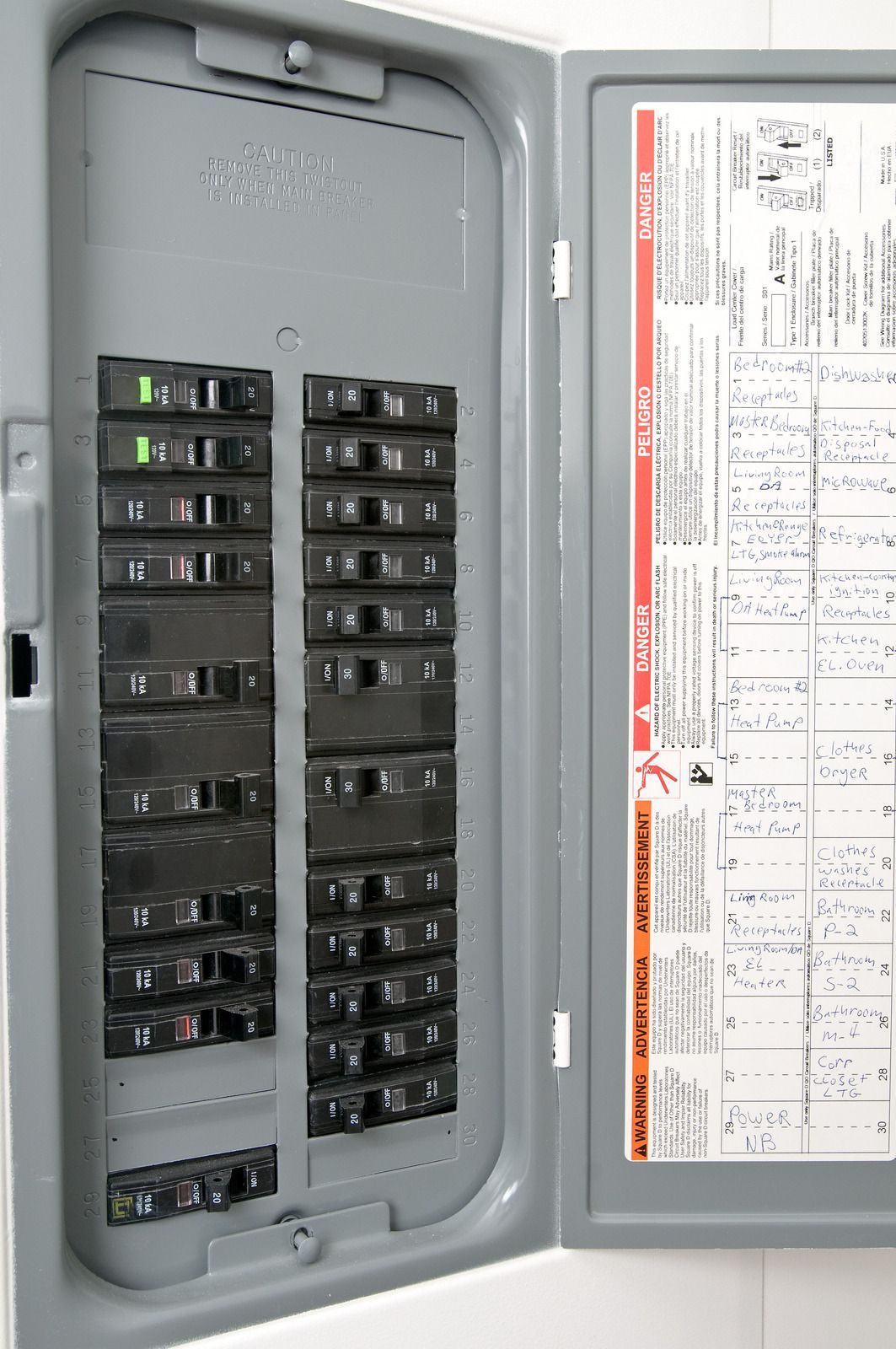
Documentation matters as much as the repair itself. Once the fix is made, the circuit gets tested for correct polarity and grounding, and any GFCI or AFCI protection on that circuit gets verified as functioning. A panel schedule that is actually labeled, rather than guessed at, means the next person who opens that box knows exactly what they are looking at instead of starting from zero.
When One Warm Outlet Points to a Larger Issue
A single warm outlet on an isolated circuit is often a contained problem: one device, one weak connection, one repair. Warmth or buzzing showing up at several outlets or switches around the house, especially ones that share a circuit or sit near each other on the panel, points toward something further upstream. That pattern can mean a loose neutral connection at the panel itself, a circuit that has been gradually overloaded as more has been added to it over the years, or aging wiring running through that whole section of the home. Mentioning that pattern to whoever inspects the first device changes where the investigation starts and can save a second visit.
WARNING: Do not continue using an outlet or switch that feels warm, smells like hot plastic, or has a discolored cover plate. Turn off the breaker feeding that circuit until it has been inspected. A device that looks fine on the surface can still have significant damage to the wiring or contacts behind it.
Frequently Asked Questions
Is it normal for an outlet to feel slightly warm?
The outlet's body and cover plate should not generate heat. Appliance warmth from a plugged device is normal, but the plate itself should be cool. Plate warmth with nothing plugged in indicates a connection issue.
Why does only one switch in my house buzz?
A single buzzing switch points to something local: loose terminal connection, worn contact, or mismatched load. Multiple switches buzzing on one circuit suggests upstream problems at the panel or along shared wiring requiring bigger repair.
Can a buzzing switch or a warm outlet fix itself over time?
No. Resistance that causes heat and noise compounds with each heating and cooling cycle, loosening the connections further. A switch buzzing intermittently today becomes a constantly buzzing switch over months, never improving on its own.
Is a warm outlet always a fire risk?
Not automatically, but warmth represents a developing condition, not a stable one. Heat at a connection point is the early stage of the exact mechanism that produces electrical fires, worth evaluating promptly rather than waiting.
How quickly should a warm outlet or buzzing switch be looked at?
Turn off the breaker feeding that circuit as soon as warmth or buzzing is noticed. Avoid using the device until evaluated. This is not an emergency call but deserves scheduling soon rather than indefinite delay.
Does a GFCI or AFCI protected circuit prevent this from happening?
Protection cuts power quickly once faults occur, limiting how far damage progresses, but it does not prevent connections from loosening or devices from wearing out. What protection does is reduce odds that developing faults worsen.
Heat and Noise Are Warnings Worth Heeding
A warm outlet or a buzzing switch is not a cosmetic problem waiting to happen. It is the early announcement of a fault already in progress, one that gets worse with every heating and cooling cycle rather than resolving itself. The heat that travels from the loose connection into the wood and drywall surrounding it poses a real fire risk, one that has already claimed hundreds of lives and caused billions in property damage across the country. Ignoring it costs far less in the moment than addressing it.
Over 8
years serving Atlanta, GA, 5 Star Electrical LLC
has traced hundreds of warm
outlets and humming switches
back to their actual causes. Every single one traced back to something that worsened rather than stayed put. Loose terminals, aging aluminum wiring, overloaded circuits, all of them get worse with time and use. Addressing the problem the first time it shows itself turns a potential fire risk into a corrected connection and peace of mind about what is happening behind your walls.